
(Case study) Film and TV・Polish 3D / Polish+
A TV series set becomes a digital asset that visitors can return to
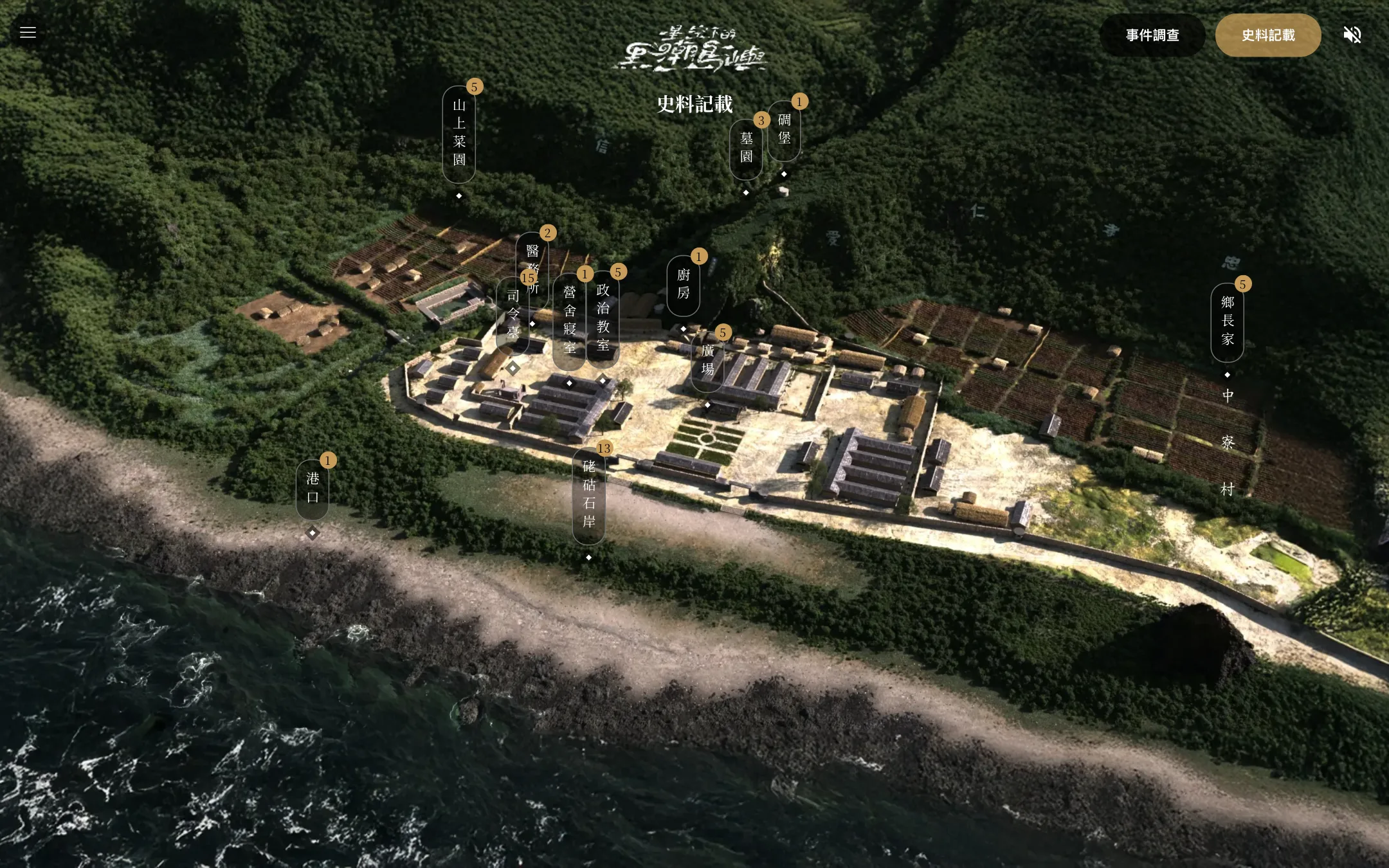
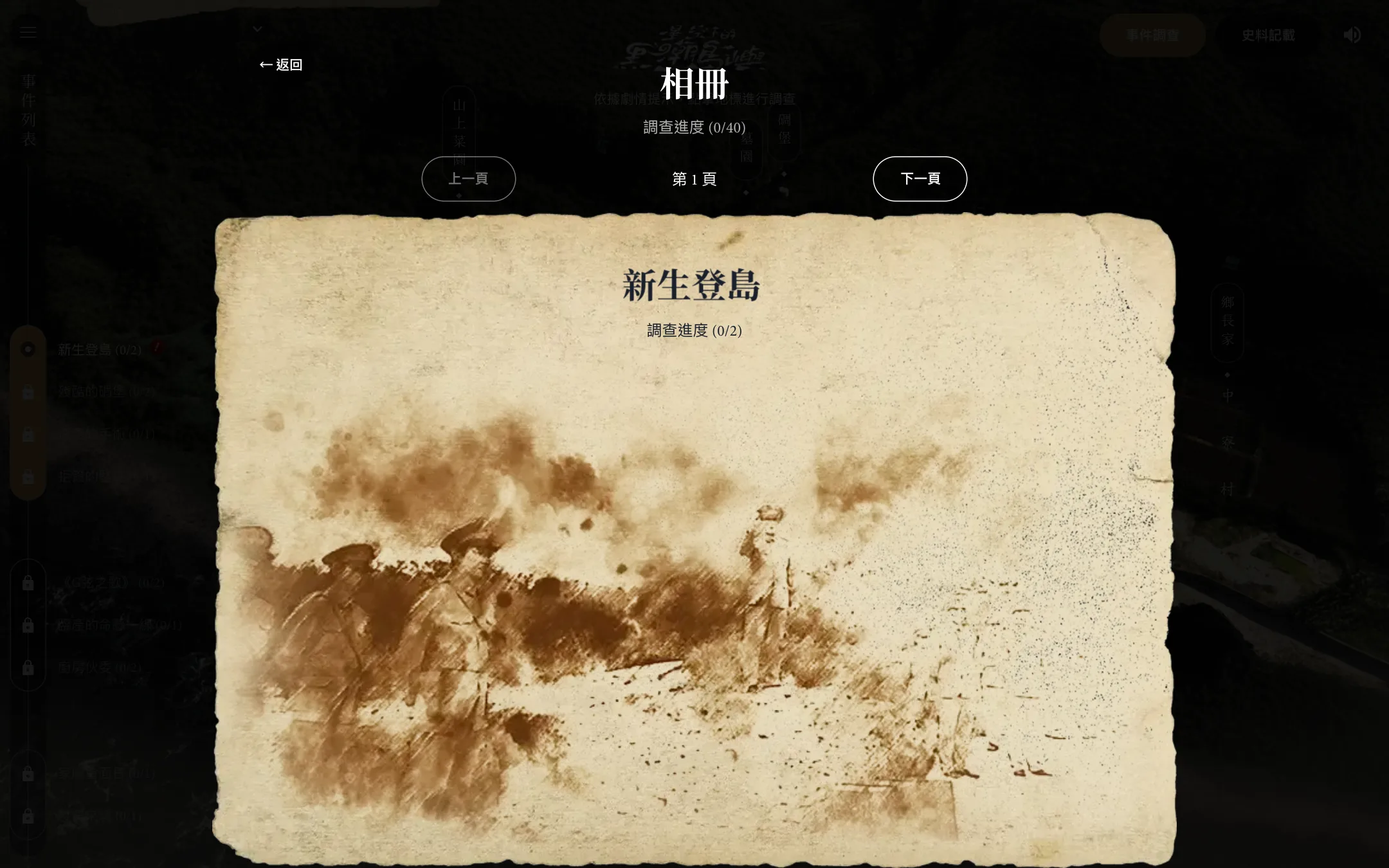
The physical set of a historical TV series, built at a cost of NT$60 million, was due to be torn down after filming. The website combines 2D navigation with 3D panoramas, so viewers can return to the island, explore the set and learn the history and characters, with content opening gradually along the series timeline.


(Challenge)
A set built at NT$60 million, due to be torn down after filming
The set was built from rigorous historical research as a physical re-creation of an important period in history, and it was scheduled for demolition once filming ended. The first question was how to keep it from disappearing at wrap.
The larger task went beyond rebuilding the set: the site also had to promote the series and convey the story and values behind it. The client placed weight on rigorous handling of historical material, so the site had to present the plot, the sources and the characters in full.
Two months lay between the start of filming and the site's launch. The early material was a written script, and the design team saw the full picture only after the series was released.
(Approach)
Game-style exploration that presents the world of the series
The site adopts game-style exploration, so viewers explore actively by clicking and collecting, and the site becomes an extension of the series' world.
2D navigation and 3D panoramas are combined to balance performance and interaction, keeping browsing smooth. Because 360-degree panoramas work only indoors, 2D navigation links the different scenes and keeps the experience continuous.
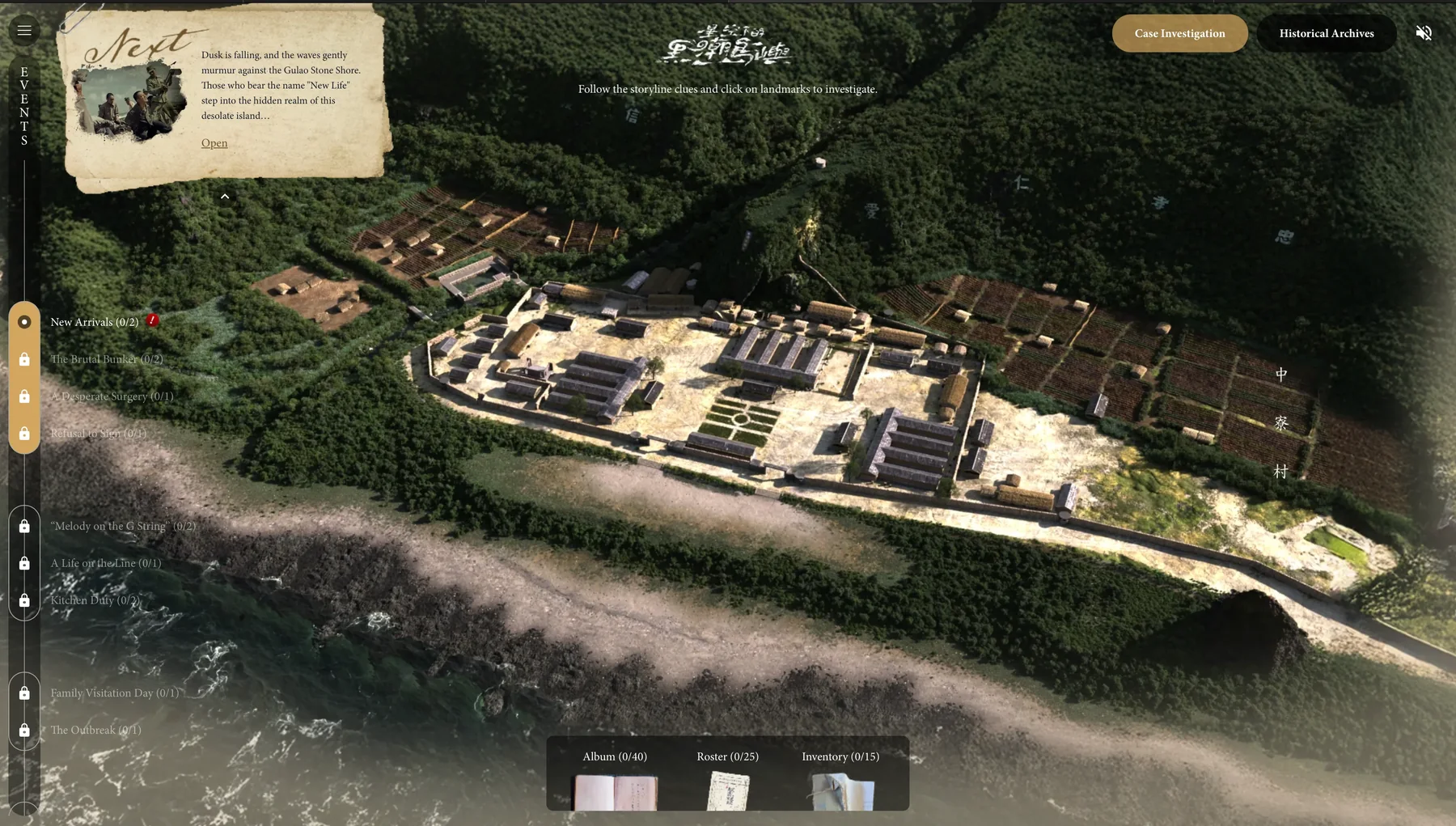
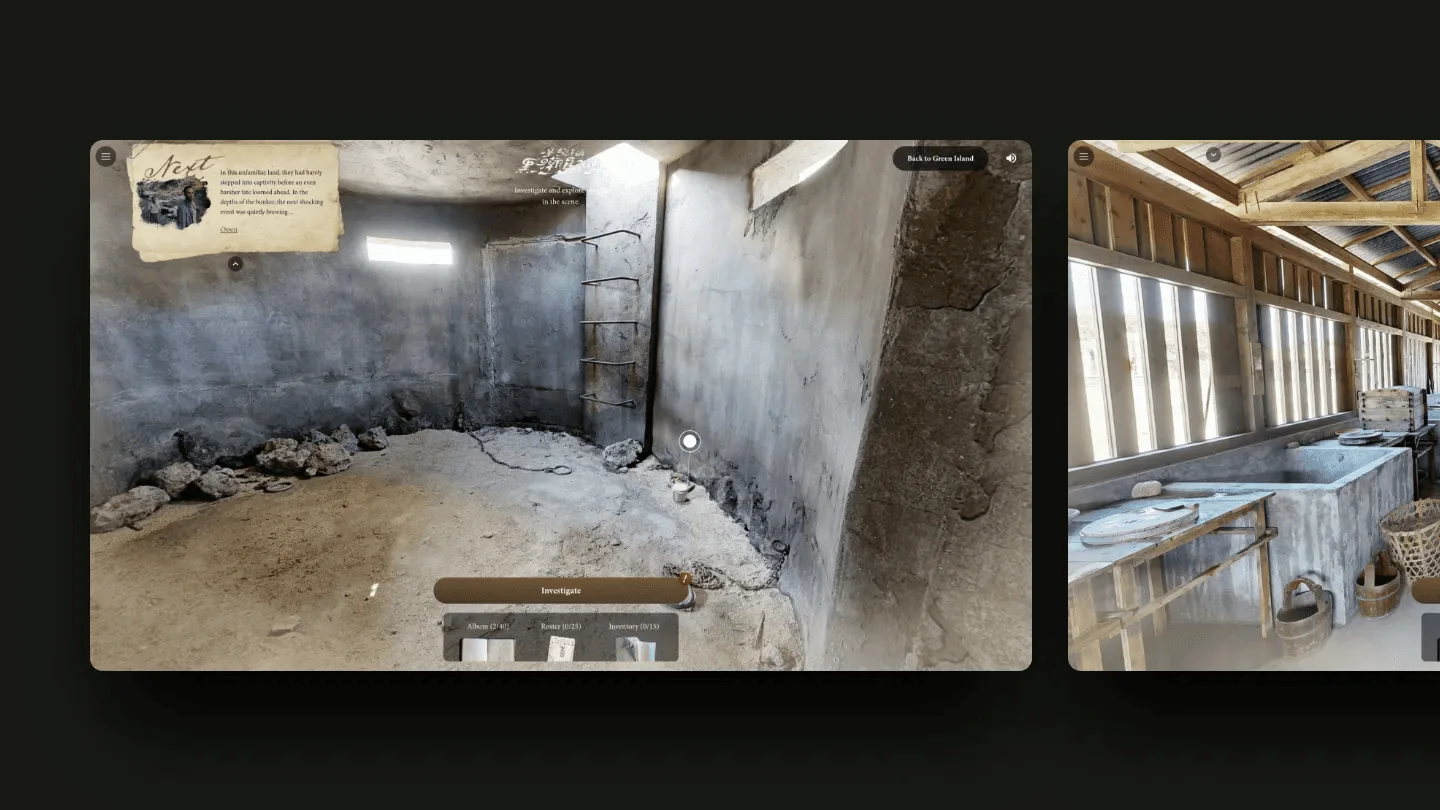
- Identify the scene type
- Weigh performance against interaction
- Indoor scene360 panorama
- Outdoors and between scenes2D navigationLinks different scenes and keeps the experience continuous
(Key design)
Three key designs
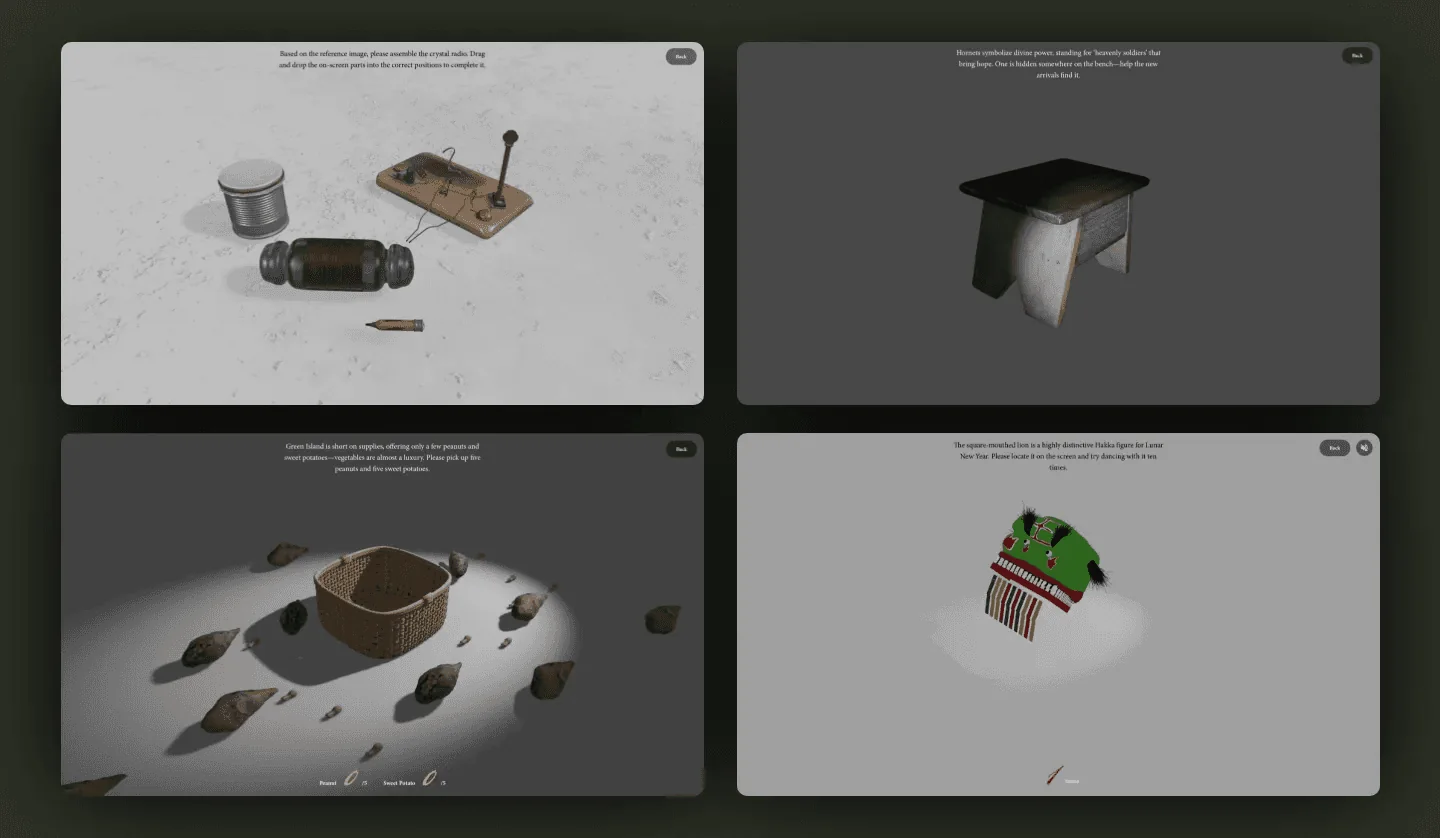
Game-style rewards
A scoring system and real prize draws give concrete rewards and encourage social sharing. Users unlock characters from the series step by step during interaction, and the collecting element meets modern viewers' need for completion and achievement.
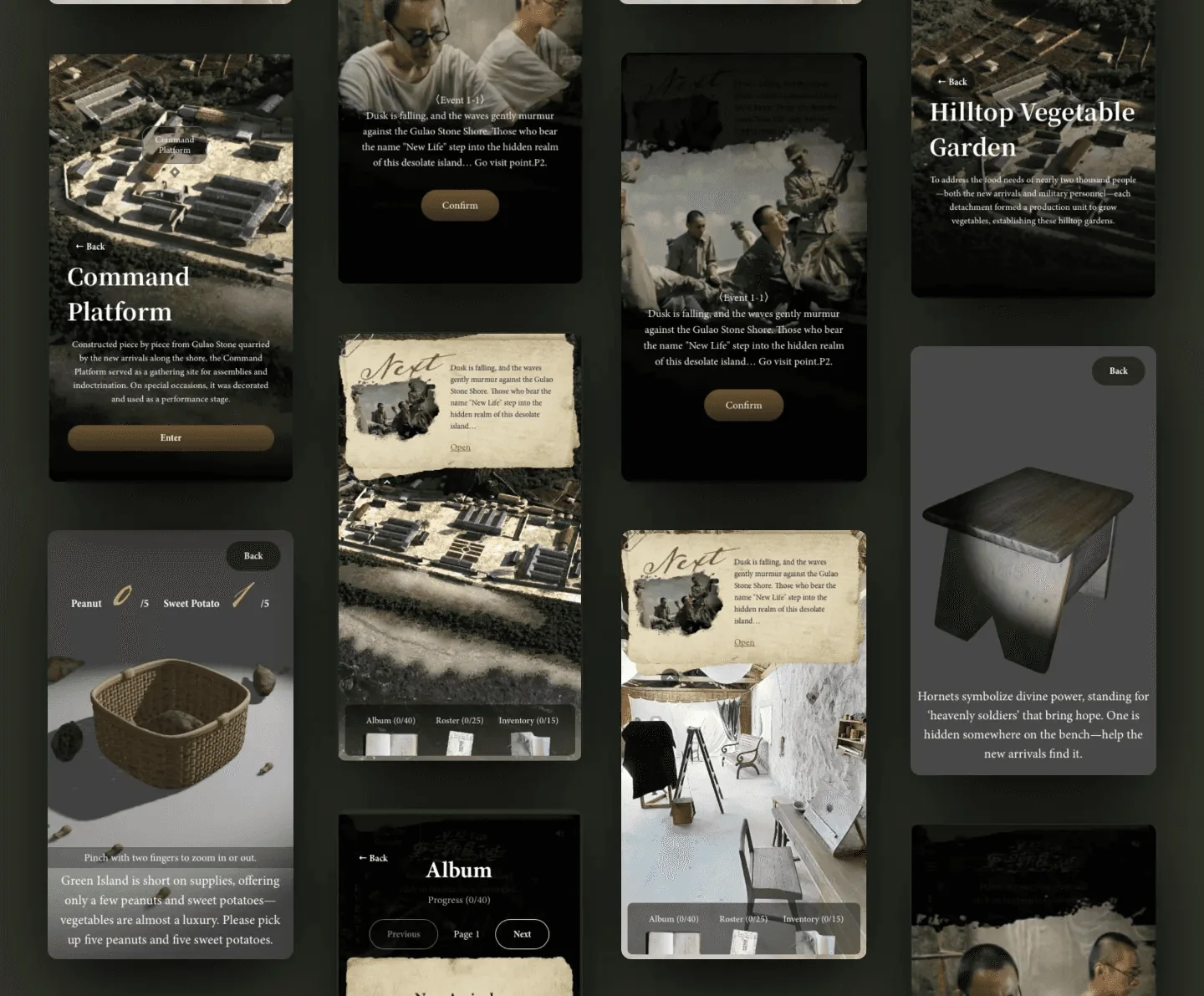
Scenario entry
Every interaction point is designed with a short scenario that draws users quickly into the story and reduces cognitive breaks. Open exploration remains, so users can click freely on events and find the matching characters, objects and story settings.
Opening with the series
Site content opens step by step along the series' broadcast timeline, giving viewers a reason to keep coming back and creating a sense of shared experience.
For physical sets and archives that need lasting preservation, the first meeting can confirm the assets and the release pace.
(Result)
A standardized pipeline that deployed 100+ assets on schedule
An automated asset pipeline and standardized naming rules let the team produce, optimize and manage more than 100 high-quality assets in a short time and deploy the assets as the project advanced. The asset and image library was optimized continuously, cutting size by 70–80% while balancing performance and quality, and key transitions and animations improve the visuals without slowing the site.
The approach creates reusable long-tail value for costly film and TV productions and also applies to cultural and historical education, exhibition planning, corporate training, and even energy and heavy industry.
The client judged that the interactive site achieved its original aim of preserving the historical set and produced promotional and educational value beyond expectations.
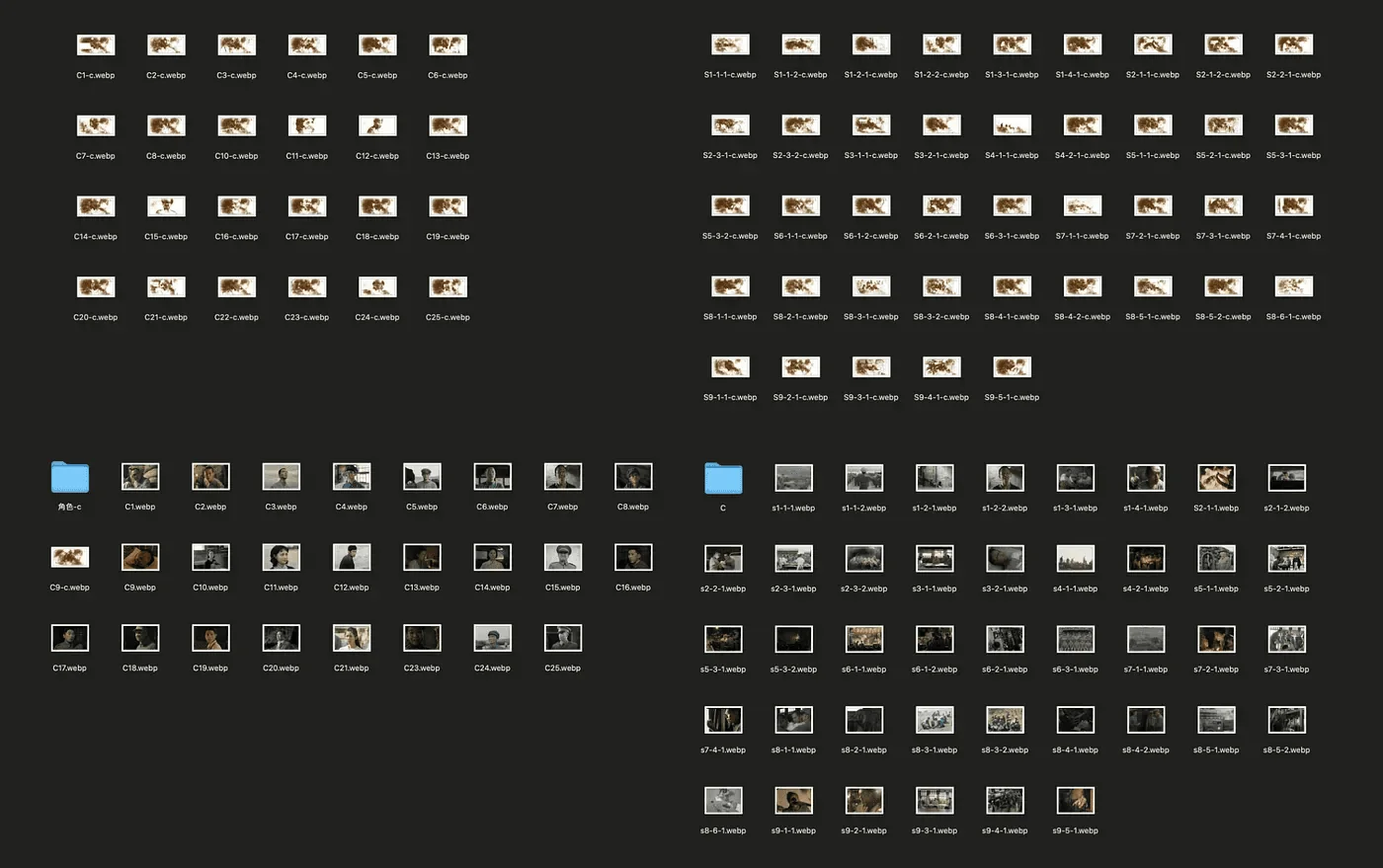
- Batch production100+ setsAn automated asset production flow
- Standard namingSupports iteration and hand-offs between design and engineering
- Optimized compressionSize cut by 70–80%
- Deployed as the project advances
(Field notes)
Methods and measurements, open each one
Reward Campaign Platforms: Ledger Integrity, Abuse Prevention, and Budget Controls
Campaign states are part of the product, and each state needs a screen and a switch Related method(Client note)
POLISH gives technology warmth. They turned the historical memory of Green Island into an interactive digital experience, so viewers do more than watch the series: they can step into the story themselves. 3D scene reconstruction, non-linear storytelling and gamified exploration: every technical element serves a deeper human concern. In my view, experience and technical detail are the key checkpoints for judging a company's software capability, and smooth responsive design on mobile is the most critical of all. POLISH integrated highly interactive 3D models and 360-degree scenes smoothly, and adapted the UI within the limited viewport to suit how users browse the web. All of this was completed in just three months.
 BrianHead of Program Marketing・Hakka TV
The first meeting takes 15 to 30 minutes and gives a direction, a budget range and a draft timeline.
Polish 3DPolish+Next case: Linking a brand to the AI trend through an online experience visitors take part in
(Contact)
Start a project.
Three steps to a clear direction and budget range.
- 01Book the first meeting: choose a time. A full specification is not required.
- 02A 15 to 30 minute online consultation: direction, budget range, and draft timeline.
- 03After materials are reviewed, a quote and delivery specification follows in about 3 to 5 working days.
- hello@polish-design.com.tw
- Mailing address
- 3F, No. 191-1, Zhifu Rd., Zhongshan Dist., Taipei 104, Taiwan
Book the first meeting
Monday to Friday, 16:00–18:0030 minutes online
Choose a time, then confirm with a Google account or an email address. A confirmed booking can be added to the calendar.
Choose a time